
Managing remote teams requires reliable tools that streamline communication, track progress, and foster collaboration. The best tools for managing remote teams effectively combine task management, video conferencing, and real-time communication to ensure productivity and clarity.
Leaders benefit from platforms that centralise workflows and reduce misunderstandings. Choosing tools tailored to the team’s size, type of work, and communication style is essential for maintaining efficiency.
These tools help overcome the challenges of remote work by keeping everyone connected, aligned, and accountable. Knowing which ones to prioritise can make a significant difference in daily operations.
Key Challenges of Managing Remote Teams
Managing remote teams requires addressing specific hurdles that impact productivity, communication, and motivation. The challenges often involve ensuring clear communication, keeping employees engaged, and maintaining accountability across distributed locations.
Communication Barriers and Solutions
Effective communication is fundamental in remote team management, but is often hindered by time zone differences, lack of face-to-face interaction, and diverse communication preferences.
Teams commonly face delays in responses and misunderstandings due to limited visual cues. To mitigate this, managers should use synchronised video meetings combined with asynchronous tools like shared documents and messaging platforms.
Using clear guidelines for communication channels—such as instant messaging for quick questions and email for formal updates—helps streamline information flow. Regular check-ins and encouraging open feedback further reduce the risk of miscommunication.
Ensuring Employee Engagement
Employee engagement in distributed teams can drop without regular interaction and a clear connection to company goals.
Managers must foster a sense of belonging through virtual team-building activities and recognition of individual contributions. Providing opportunities for professional development and clear career paths encourages commitment.
Tools that track participation and gather feedback also help identify disengaged employees early. Engagement improves when remote workers understand how their efforts impact the wider organisation and feel supported by leadership.
Maintaining Accountability and Performance
Maintaining accountability in remote work requires transparent tracking and clear expectations.
Setting measurable goals and using project management software allows teams to monitor progress regardless of location. Regular performance reviews and milestone check-ins are essential for identifying issues promptly.
Trust plays a key role; managers must balance oversight with autonomy, focusing on results rather than time spent. Clear documentation of responsibilities and deadlines prevents confusion and improves overall productivity.
Essential Communication and Collaboration Tools
Effective remote team management relies heavily on seamless communication and collaboration. Selecting appropriate tools can enhance clarity, maintain engagement, and support real-time interaction across locations.
Top Internal Communication Tools
Slack and Microsoft Teams dominate internal communication within remote teams. Slack offers organised channels, direct messaging, and extensive app integrations, making it ideal for quick exchanges and asynchronous discussions.
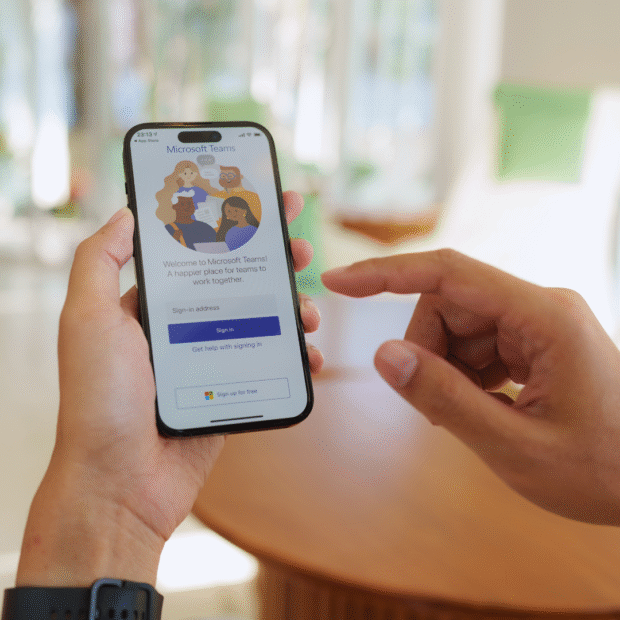
Microsoft Teams combines chat, file sharing, and Office 365 integration, providing a unified workspace. Its robust security features suit organisations with strict compliance needs. Both platforms support mobile and desktop apps, ensuring accessibility.
Key features include searchable history, threaded conversations, and notification controls. These elements help maintain consistent communication without overwhelming team members.
Best Video Conferencing Platforms
Zoom and Google Meet are two leading video meeting platforms for remote teams. Zoom offers reliable connections, breakout rooms, and detailed host controls, well-suited for large meetings and webinars.
Google Meet integrates seamlessly with Google Workspace, simplifying scheduling and joining calls via Calendar. It supports captioning and real-time translation, aiding accessibility.
Both platforms provide screen sharing, recording, and chat during meetings. Choosing between them depends on existing software ecosystems and specific team requirements for ease of use and advanced features.
Real-Time Collaboration and Team Chat Solutions
Real-time collaboration tools enable immediate feedback and coordination. Slack and Microsoft Teams provide integrated chat with simultaneous document editing via connected apps such as Google Docs or OneDrive.
These platforms support emojis, reactions, and rich media sharing, promoting engagement in text-based communication. They also offer bots and automation to streamline workflows.
The speed and fluidity of real-time chat reduce email dependency and help remote teams resolve issues quickly without waiting for scheduled meetings.
Integrating Collaboration Across Distributed Teams
Combining communication tools with project management platforms improves overall teamwork. Using Slack or Microsoft Teams alongside tools like Trello or Asana allows seamless task tracking tied to conversations.
Integration enables notifications from collaboration tools to appear in project boards, streamlining updates and accountability. Teams can centralise resources, reducing friction caused by scattered information.
Effective integration supports clarity in roles and deadlines, essential for maintaining productivity in time zone-dispersed teams. Connecting video conferencing features directly within collaboration platforms further enhances workflow continuity.
Leading Project and Task Management Solutions
Effective remote team management relies on clear project oversight, efficient task tracking, and streamlined workflows. Organisations benefit from tools that integrate these functionalities while offering transparency and adaptability for diverse team needs.
Project Management Tools for Remote Teams
Project management software like Asana, ClickUp, and Basecamp provides centralised platforms for organising projects, deadlines, and collaboration. These tools allow teams to assign tasks, set priorities, and monitor progress with ease.
Asana excels in its user-friendly interface and detailed project views, enabling managers to create milestones and dependencies. ClickUp offers customisable workflows and integrates with numerous apps, enhancing flexibility across different project types. Basecamp focuses on communication alongside task management, combining message boards and schedules to keep remote teams aligned.
Choosing software that aligns with the team’s size and workflow complexity is critical for maintaining control and accountability.
Task Tracking and Kanban Boards
Kanban boards remain a popular method for visual task tracking in remote environments. Tools like Trello and Notion use boards, lists, and cards to represent tasks, making progress visible at a glance.
Trello is notable for its simplicity and drag-and-drop functionality. It adapts well from small teams to larger groups needing clear task breakdowns. Notion, while broader in scope, offers powerful customisation options to embed Kanban boards within wider documentation and project knowledge bases.
Visual tracking reduces confusion and bottlenecks, promoting faster task completion through clear status updates.
Workflow Automation and Reporting
Automation within project management tools minimises repetitive work and keeps teams focused on key objectives. ClickUp and Asana include automation features for recurring tasks, notification triggers, and task assignments based on status changes.
Reporting tools generate insights on productivity and project health. Dashboards in these platforms display metrics like task completion rates, workload distribution, and time tracking.
Automating routine actions and reviewing actionable reports supports proactive decision-making and helps prevent project delays.
File Sharing and Secure Document Management
Effective file sharing and secure document management are essential for remote teams to maintain productivity and protect sensitive information. Choosing reliable tools, establishing clear collaboration methods, and implementing robust security measures are key to success.
Top File Storage and Sharing Tools
Dropbox and Google Drive are widely used for file storage and sharing due to their ease of use and integration options. Dropbox offers advanced syncing and offline access, making it suitable for teams needing constant file updates. Google Drive excels with its connection to Google Workspace, supporting real-time collaboration on Docs, Sheets, and Slides.
Both platforms provide generous storage plans and support file versioning, allowing teams to track changes and recover previous document versions. Other tools, like OneDrive and Box, can also be considered depending on specific needs, such as enterprise security or Microsoft 365 integration.
Best Practices for Document Collaboration
Clear folder structures and naming conventions help teams find documents quickly and avoid duplication. Setting permissions carefully ensures files are shared only with relevant team members, reducing confusion.
Using comments and suggestions in tools like Google Drive enables seamless feedback without altering the original document directly. Regularly updating shared documents and notifying collaborators avoids outdated information from circulating. Scheduling periodic audits of file access helps maintain order and relevance.
Ensuring Security and Data Privacy
Securing remote team documents involves employing encryption both in transit and at rest, a feature standard in services like Dropbox and Google Drive. Multi-factor authentication (MFA) adds an extra security layer by verifying user identity during login.
Setting permission levels restricts document access to necessary team members only. Regularly reviewing access logs can detect suspicious activities early. Additionally, teams should enforce strong password policies and ensure software updates to patch vulnerabilities.
